Eleven O'Clock, No Microphone: The Two Minutes Stretton Never Has to Announce
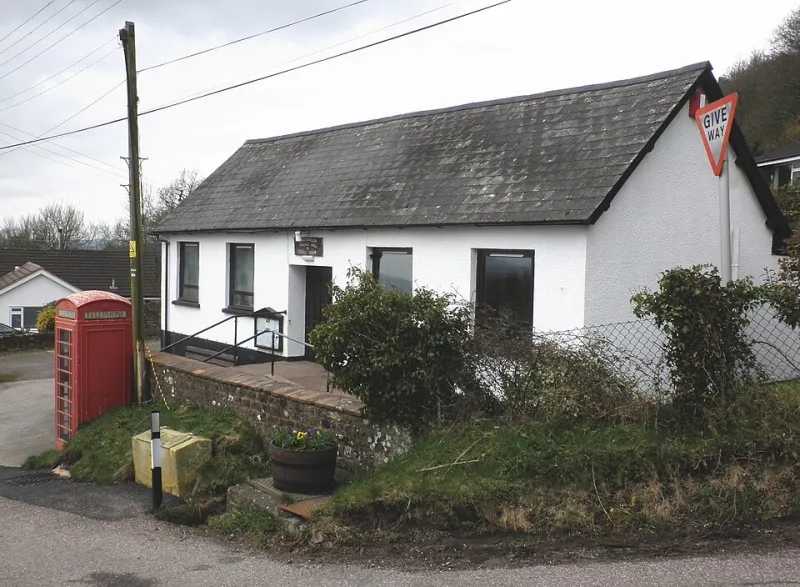
Photo: Roger Cornfoot, CC BY-SA 2.0, via Wikimedia Commons
There is a clock above the bar at Stretton Social Club. It is not a handsome clock — it came from somewhere else, probably a school, and it has a thin tick that most people stop hearing after about four minutes. For fifty-one weeks of the year nobody looks at it. On 11 November, plenty of people do, and not one of them has to explain why.
Doors at ten, quiet at eleven
This year the eleventh lands on a Wednesday, which means the club opens in the soft part of the week. No darts league, no Friday supper queue, no band loading amps through the fire door. Wednesday is the retired, the shift workers on a late start, the two or three who come in for a pot of tea and stay for the conversation.
By half past ten there are maybe fifteen people in. The fruit machine is switched off at the plug, which sounds ceremonial but isn't — it chirps and clatters and Alan, who has been behind this bar longer than most of us have been legally allowed to drink at it, refuses to compete with it before lunchtime.
The television in the corner, normally on with the sound down and nobody watching, is off altogether. The pool table has its cover on. The room is doing that thing rooms do when the noise drops by a third and nobody has asked it to.
The tin by the till
The Royal British Legion collection tin sits on the bar between the till and the jar of pickled eggs that no one has ever witnessed being bought. It appears in late October and disappears a week or so after. There is no rattling it under anyone's nose. There is no announcement, no card reader, no speech. If you want to put something in, you put something in. If you don't, the tin is not going to think less of you.
Behind it, tucked against the optics, is a small card with a handful of names written on it in pencil. Club members who have died, going back further than most of the current membership can account for. Nobody adds to it during the year; somebody quietly updates it in the autumn, and the identity of that somebody is a matter of some mild and entirely friendly speculation. Names, no dates, no ranks. Just the roll of people who used to sit where you are sitting.
The ones who bring their own stories
What makes the eleventh different here is that it doesn't stay abstract. Between about ten and eleven, the older regulars tend to arrive with something in their pocket.
A grandfather's medals in a tobacco tin, ribbon gone slightly furred. A great-uncle who went down at Dunkirk and is only ever referred to by his first name. A father who did National Service in Malaya and never once talked about it, which is itself a kind of story. One man brings a photograph of a ship, folded in four, and puts it flat on the table without a word and leaves it there for the duration.
The etiquette is unspoken and remarkably consistent. Nobody asks. Nobody is expected to perform. If you want to say something you say it, and if you don't, the person opposite you will tell you about the state of their back garden and that will be that. Grief gets the same treatment as everything else in this building: it is welcome, but it is not put on a stage.
What two minutes actually sound like
At about five to eleven Alan turns the music off. Not with a flourish — he just reaches for the dial mid-song, and the song simply stops. Some people are already standing. Some stay sitting. Someone's Labrador shifts its weight and sighs through its nose.
There is no microphone. Nobody taps a glass. Nobody reads a line from a card. The clock above the bar does its thin tick and the cellar cooler hums behind the wall and outside, faintly, a van door shuts somewhere on the High Street.
Then it's done, and the room doesn't quite know what to do with itself for a second, which is exactly right.
The gentle business of starting again
What happens next is the part people forget to mention. Nobody makes a speech about moving on. Alan puts the kettle on. Someone asks whether the darts board needs a new surround. The till drawer opens and shuts. Within four minutes the room is loud again, and it is not disrespect — it is the sound of people who understand that a pause works best when it has edges.
There is a village service at the memorial on the green earlier in the morning, and plenty of this lot go to that instead, or as well. The club's own pause is a different thing. It happens among people who may not have served, may not have lost anyone, may just have come in for a cup of tea and found themselves standing up. It catches you wherever you are, whether your hands are around a pint or a tea towel or nothing at all.
The best gathering is the one nobody programmed
Look at the club's calendar and you'll find quizzes with clipboards, raffles with pencil numbers, open mic nights with a running order and a compere and a slightly too loud monitor. All of it good. All of it needed.
But there is something quietly extraordinary about an event with no organiser, no ticket, no takings, no A-board on the pavement. Fifteen people, a tin, a pencil card and a clock from a school hall, doing the same thing at the same hour as thousands of other rooms up and down the country, and doing it the way they do everything round here — without much fuss and without leaving anyone feeling awkward.
Next year the eleventh falls on a Thursday, which means the darts lot will be in from nine, mid-practice, and will have to put the arrows down halfway through a leg. They will. They always do. And then they'll pick them up again, and someone will ask whose round it is, and the two minutes will settle back into the ordinary evening like they were always part of it.