The Coat-Rack Council: How Stretton Sorts the Walk Home After Last Orders
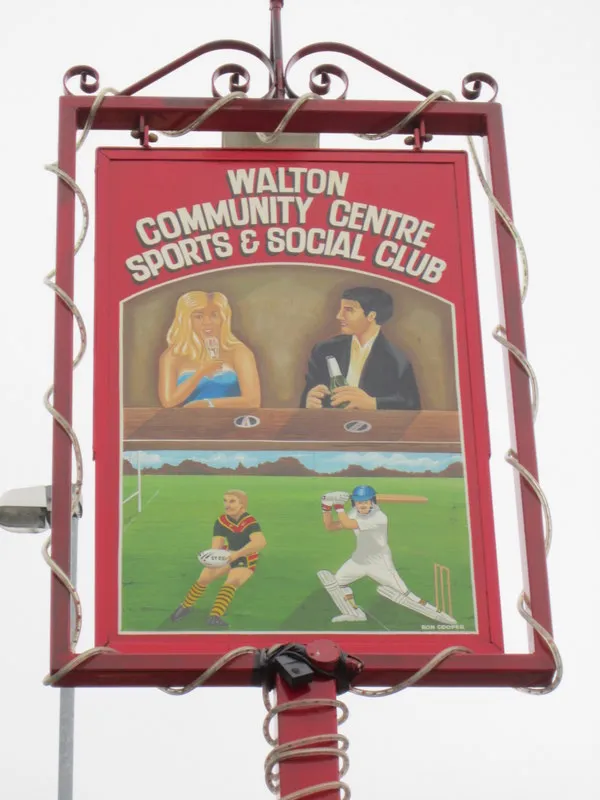
Photo: McKay Savage from London, UK, CC BY 2.0, via Wikimedia Commons
There is a moment at Stretton Social Club, usually somewhere between the last chorus and the first zip of a winter coat, when the room changes gear. The music is still on, the glasses are being gathered, and someone by the door is squinting at a phone. Not scrolling. Not taking a photo. Checking the bus.
You can spot it once you know what you are looking for. A small cluster forms near the coat rack, not quite a meeting and not quite a queue. Someone asks who is heading up toward the estate. Someone else says they are going the other way but can drop two people at the top of the lane. A third person is already halfway into a taxi-share arrangement that seems to have been agreed with nothing more than a nod and a raised eyebrow. No clipboard. No announcement over the microphone. Just the quiet business of getting people home.
The Five-Minute Sort-Out
In November, this bit matters more. The nights draw in early, the pavements get slick, and the last bus has a habit of feeling earlier than it did in summer. Stretton Social Club is not a transport service and would never pretend to be one. But over the years, leaving time has become its own small routine, almost as familiar as signing in or finding a seat.
The regulars know the shape of it. Someone checks the timetable on the wall by the noticeboard, the one with the corner curling slightly. Someone else checks a phone for the live times, because the printed version is a guide and the phone is the referee. If the last bus is running late, the coat-rack council waits. If it has gone, the conversation shifts quickly: who is driving, who is close enough to walk together, who would rather split a cab than stand about in the cold.
What makes it work is that nobody is in charge of it. There is no rota for making sure the night ends sensibly. It is more like a habit the club has learned, the same way it has learned how to put out extra chairs when a quiz gets busy or how to keep the tea urn going after the bar has stopped.
Nobody Walks Back Alone Unless They Want To
There is a difference between being looked after and being managed, and Stretton tends toward the former. Nobody is told they cannot walk home on their own. Nobody is bundled into a car against their will. But the offer is there, quietly, and it is usually enough.
You will hear it in small phrases. "You're not walking that way on your own, are you?" "We're going past yours, hop in." "I'll wait with you till the taxi comes." They are not grand gestures. They are the kind of thing neighbours say when they mean it and expect no medal for it.
For anyone who has moved to the area recently, or who has come along to the club on their own for the first time, this can be the most reassuring part of the night. Not the entertainment, though that helps. Not the bar, though that helps too. The fact that leaving does not have to mean slipping out unnoticed into a dark car park and hoping for the best.
The Timetable and the Torch
The practical bits are simple. The bus times are checked. The taxi numbers are shared. If someone is walking, they are paired with someone going the same way. If there is a lift going, it is offered before anyone has to ask. In the darker months, a phone torch might appear to light the path to the corner, and a high-vis jacket might be produced from a bag with the air of someone who has done this before.
None of it is written down. That is part of the charm. It is a local club, not a crisis centre, and the tone stays light. There will be a joke about someone's umbrella, or a mild debate about whether the shortcut past the rec is faster or just darker. The arrangements get made while people are still laughing, which is probably why they feel so easy.
A Small Thing That Says a Lot
Every club has its rituals. Stretton has plenty: the paper bag lottery, the clipboard at open mic, the noticeboard that never quite empties. The end-of-night sort-out is one of the quieter ones. It does not need a name, and it would probably be embarrassed by one.
But it says something about a place. It says that the night does not end at the door. It ends when people are safely on their way, or at least when they have a plan and someone has seen them off. In a season of dark evenings and early sunsets, that is worth more than a round of applause.
So if you are at the club this November and someone asks which way you are heading, do not be surprised. It is not nosiness. It is just Stretton, doing what Stretton does: making sure the last bus home is not the only thing looking after people.