Chalk, Bone and a Spare Chair: Inside Stretton’s Sunday Dominoes School
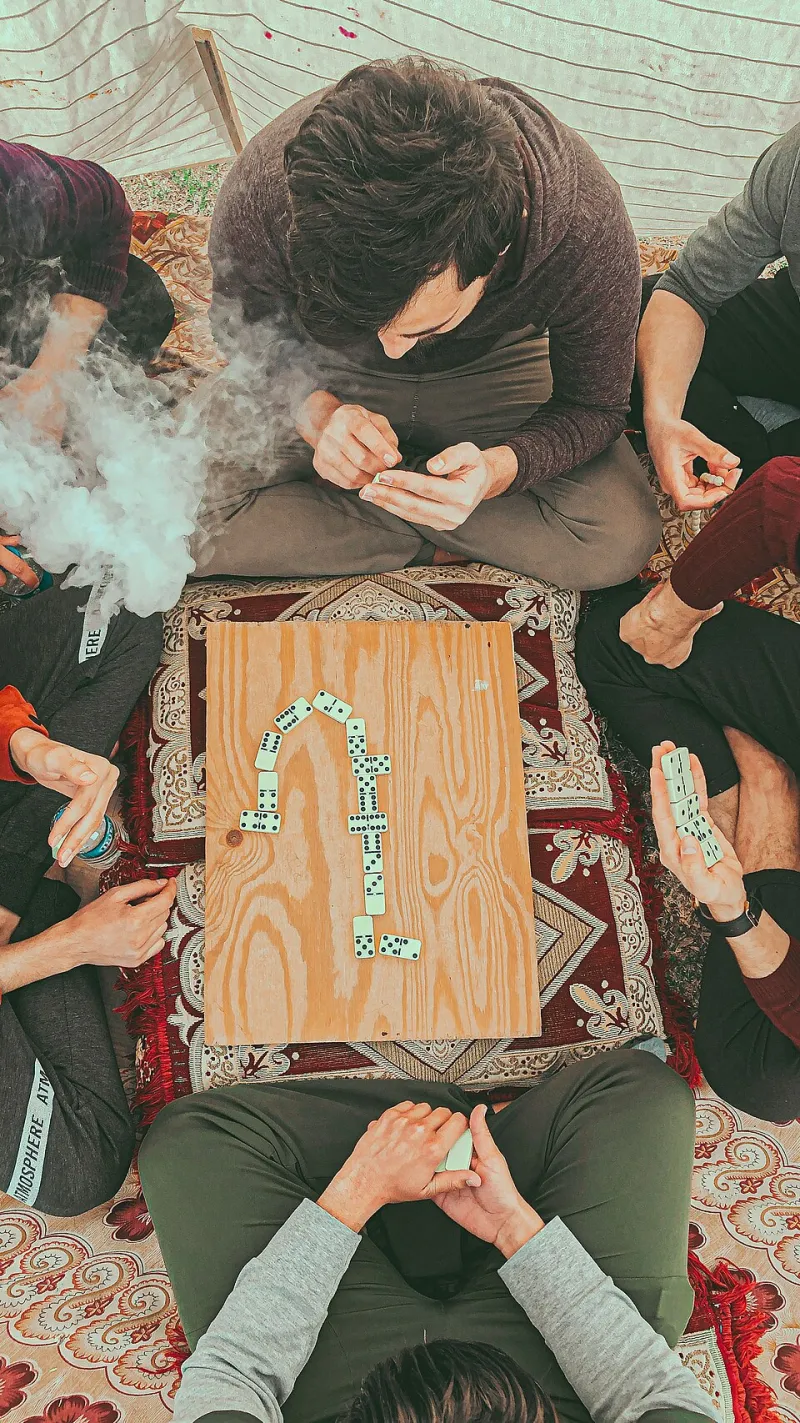
Photo: Fakhri Mahmood, CC BY-SA 4.0, via Wikimedia Commons
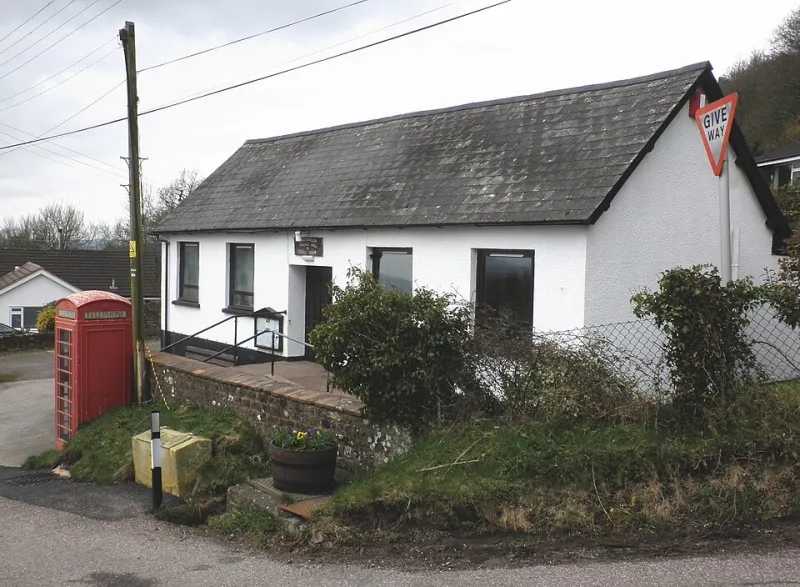
By two o’clock on a Sunday, Stretton Social Club has a particular sound. It is not the Friday-night roar or the quiz-night hush. It is the rattle of dominoes being tipped out of a tin, the scrape of a chair, the low murmur of somebody asking whether the kettle has boiled yet.
The dominoes table sits near the window, which means it gets the last of the afternoon light and the first of the November chill. It has been there long enough that nobody calls it the dominoes table any more. It is just where we sit on a Sunday.
A game with a built-in script
Dominoes is a simple thing made sociable by its rules. You match the pips, you keep the line going, you pass if you cannot play. The house version has a wrinkle or two, explained patiently and then explained again five minutes later to somebody who was listening the first time but has forgotten. Nobody minds. The game is not the point. The game is the reason to be at the table.
That matters more than it sounds. Starting a conversation from nothing can be awkward, especially if you live alone or have spent the week talking mostly to the radio. Dominoes gives everyone a job. There is a turn to take, a tile to consider, a score to chalk up. You can talk without talking about anything in particular. You can be quiet without feeling left out.
The regulars call it the Sunday school, though there is no register and no lesson. It is a school in the old sense: a place where you learn by sitting next to people who have been doing it longer. Newcomers are handed a cup of tea and a handful of tiles. The rules arrive in pieces, usually just before you need them.
The seats that stay put and the one that does not
There is a geography to the table. Mavis likes the end because she can see the door. Ted sits with his back to the bar and claims it is for the draught, though everyone knows he likes to keep an eye on the scoreboard. Somebody always brings the same tin, and somebody else always says the tiles need a wipe.
But the important seat is the spare one. It is not left out by accident. The table is set for more people than usually arrive, which is a quiet way of saying that there is room. If you turn up on your own and hover near the notices, somebody will nod at the empty chair and ask if you play. If you say no, the answer is always the same: you will pick it up.
That is not just politeness. It is how the table survives. The Sunday afternoon crowd is not a closed circle; it is a rota of neighbours who have realised that a game is an easier thing to turn up for than a conversation. You do not have to arrive with news. You do not have to stay for hours. You can play one round, drink your tea and go home before the light goes.
The chalk does more than keep score
The scoreboard is a strip of blackboard at the end of the table, chalked with initials and small, stubborn tallies. It looks like arithmetic. It is really a record of who was here. A name in chalk means somebody made it out of the house. A second line means they stayed for another game.
The talk around the board is sideways talk, the best kind. It starts with tiles and drifts. How is the knee? Did the boiler get fixed? Is your daughter still coming at Christmas? Nobody has to announce that they are checking in. They can just ask between turns, while the game holds the silence open.
There is banter, too, but it is gentle banter. The sort that gives everyone a role without asking anyone to perform. Somebody is always accused of hiding a double six. Somebody always claims the chalk is biased. The loser fetches the next round of tea, though nobody enforces it very strictly. It is a ritual, not a punishment.
Why the afternoon matters more than the score
Sunday can be a long day in Stretton. The morning is gone, the evening has not started, and the weather has a habit of making the sofa look like the only sensible option. The dominoes table fills that gap. It asks nothing more than an hour or two and gives back the feeling that the weekend had a middle.
It is also one of the club’s quietest forms of belonging. There is no microphone, no raffle ticket, no need to be funny or outgoing. The game accommodates slow hands, bad hearing and the occasional disagreement about whether a tile was played or merely placed. It is a small democracy of pips and chalk.
And because it happens every week, it becomes a way of noticing. If somebody is missing, someone will say so. If somebody is quiet, the game gives them space to be quiet. If somebody is new, the spare chair does its job. That is not a grand scheme. It is just what happens when people keep showing up.
How to join in without knowing the rules
The table starts around two and winds down when the light goes or the tea runs out. You do not need to bring anything except maybe a biscuit if you are feeling generous. You do not need to know the difference between a double and a spinner. You can watch the first game from the edge and ask questions. Nobody will make you play.
If you are nervous, come with a neighbour or arrive early enough to Say hello before the tiles are out. The first five minutes are the hardest, as they are with most things. After that, you are just somebody whose turn it is.
The last click of the afternoon is always a little reluctant. Chairs are pushed back, coats are found, and somebody walks somebody else to the bus stop. The chalk is left on the board until next week. It is a small mark, but it says what the Sunday table says better than any notice: you were here, and there is a chair for you again.