Any Cup Will Do: The Shelf That Teaches Stretton How to Share

Photo by Photo by DJ Paine on Unsplash on Unsplash
The first thing a newcomer hears at the hatch is not a membership number or a password. It is a small, generous instruction: “Any cup will do. Pick one.”
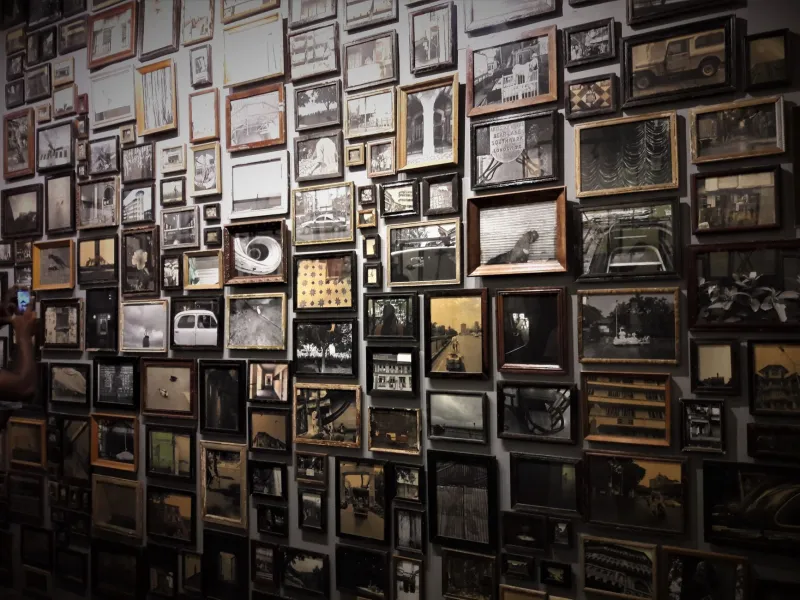
Above the serving point at Stretton Social Club, the shelf runs the length of the wall. It is not a matching set. It is not a display. It is a working library of donated mugs — floral ones, thick pottery ones, a promotional cup from a long-forgotten garage, a tiny thing with a handle too small for a grown-up’s fingers — and it exists because somebody, years ago, decided that asking people to bring their own cup was a barrier nobody needed.
The Shelf Above the Hatch
The mug shelf is not labelled. It does not need to be. Regulars know where their favourite lives, give or take a few inches, and newcomers are simply told to choose. The only rule — and it is enforced with a smile rather than a sign — is that the cup comes back to the hatch when you are done. Not to the table, not to the sink at home, not to the boot of your car. Back to the hatch.
That single rule does a lot of quiet work. It means the shelf never empties. It means nobody has to remember to bring anything. And it means the first act of belonging is not a form or a fee, but a small act of trust: you take a cup, you use it, you return it.
The mugs themselves are a mixed bunch. There is a chipped floral cup that a member donated after clearing out a parent’s kitchen; it is the one people reach for when they want their tea to feel like a Sunday afternoon. There is a heavy stoneware mug with a faded football crest that has survived more hot squash than any cup should. There is a tiny espresso cup that nobody uses for espresso — it is reserved, by unspoken agreement, for a child’s hot chocolate on a Saturday morning. And there is a plain white mug with a hairline crack near the rim that has been glued twice and is still going, because throwing it out would feel like a betrayal.
A Teaspoon Drawer and Its Quiet Diplomacy
Beneath the shelf, the teaspoon drawer is the club’s other great institution. It is a jumble of mismatched cutlery, none of it valuable, all of it necessary. If the mug shelf is about welcome, the teaspoon drawer is about maintenance. It is where you go when your tea needs a stir, where you return the spoon without being asked, and where you learn that a small kindness — leaving the drawer tidy for the next person — is part of the deal.
The drawer also has a diplomatic function. If you have ever stood at a hatch unsure of what to say, reaching for a teaspoon gives you something to do with your hands. It is a low-pressure way to join in. You do not have to make conversation. You just have to stir.
Regulars have their favourites, of course. There is a woman who will only drink from the yellow mug with the slightly wobbly handle, and a man who insists the thick blue one keeps tea warmer for longer. But favourites are not ownership. If someone else picks up the yellow mug, the response is not a frown — it is a shrug and a “that’s a good one, that.” The shelf teaches a small, useful lesson: you can have a favourite without making it a rule.
The Stories in the Chips
Every chipped cup has a biography, even if nobody knows the whole of it. The floral one came from a house clearance and has been on the shelf so long that people assume it was always there. The football mug was donated by a member who moved away and wanted it to stay in the club rather than go to a charity shop. The tiny espresso cup was brought in by a grandparent who thought the club should have something for the little ones. None of these stories are written down. They do not need to be. They are passed on in the way most club history is passed on: over a brew, between one sip and the next.
That is the thing about a mug shelf. It looks like clutter until you realise it is a record. It is a record of who has been here, what they liked, what they were willing to give away. It is also a record of what the club values: not matching crockery, but the willingness to share it.
What the Mugs Actually Teach Us
In a town where it is easy to stay in, the mug shelf is a small piece of social infrastructure. It says, without saying it, that you do not need to arrive fully prepared. You do not need your own cup, your own spoon, your own reason. You just need to walk in and pick one.
And when you bring it back to the hatch — slightly warm, maybe a bit tea-stained, definitely used — you are doing the same thing everyone else has done. You are taking part. You are trusting the shelf to be there next time. You are adding your small bit of care to a system that runs on nothing more complicated than that.
So if you are new to Stretton Social Club, and you are standing at the hatch wondering what to do with your hands, look up. Pick any cup. Stir your tea. Bring it back when you are done. The shelf will do the rest.